乐播传媒app最新版本

Articles
8/8/2022
5 minutes

TPRM Assessment Best Practices for Enterprise

Table of contents

Working with third parties is an unavoidable security risk. It’s no longer possible for a modern organization to operate without any outside service providers, consultants, or vendors. However, every third party accessing your enterprise introduces the potential for a security breach. To safely work with these necessary third parties, you must assess their risk level and implement security policies and controls to mitigate that risk as much as possible.

?

A TPRM assessment, or third-party risk management assessment, is a way to identify and analyze third-party risks to your organization. Let’s discuss the best practices for using a TPRM assessment to protect your enterprise from third-party risks.

?

TPRM Assessment Best Practices

?

1. Choose the Right TPRM Framework

?

Your TPRM assessment should be custom-tailored to your organization, but that doesn’t mean you need to build one entirely from scratch. Standards-setting groups like (National Institute of Standards and Technology) and (International Organization for Standardization) provide frameworks upon which you can base your third-party risk management assessment. For example, provides specific guidance on how to identify, assess, and mitigate third-party and supply chain risks.

?

Using a framework ensures you have a comprehensive TPRM assessment and mitigation strategy. Combining the guidance from multiple frameworks or standards documents will give you a more robust TPRM assessment that accounts for your organization’s unique vendor environment without any coverage gaps.

?

2. Identify All Third Parties

?

For your TPRM assessment to be most effective, you need to identify and account for every third party your organization uses. Depending on the size of your company and the level of management and IT oversight, this could be a complicated and time-consuming process, because you may have departments or individual employees working with outsiders without your knowledge.

?

There are a few strategies for tracking down all third-party relationships within your organization. The first and easiest method is to send questionnaires to everyone in your company inquiring about the use of third parties. You could also ask your accounts payable office to make a list of all outgoing payments to vendors, contractors, and other outside entities so you can verify the information from the employee questionnaire. Application and dependency discovery tools can also help you track down all the third-party software, applications, web services, APIs, etc., that interact with your enterprise network.

?

As part of this identification process, you should also document which data and resources these third parties are supposed to have access to. Then, you need to conduct a privilege audit to determine what level of access they actually have so you can spot and remediate discrepancies. The best practice (for internal and third-party users alike) is to use zero trust security policies and the principle of least privilege to restrict access to the minimum resources required for the job at hand.

?

3. Assess Third Party Risk

?

Once you’ve compiled information on all your third parties, it’s time to use your chosen framework to conduct a TPRM assessment. Each TPRM assessment looks a little different, but you’ll generally want to assess risk based on criteria such as:

?

  • The level of access they need, both in terms of network privileges and physical access to your building, assets, etc. The more access they need, the riskier the relationship will be.
  • The importance of the service they’re providing to your organization. Business-critical services are inherently riskier because any compromise or outage will have a larger effect on your organization.
  • The reputation of the vendor, contractor, or other third party. For example, working with a well-established organization with a proven track record of success is less risky than going with an unknown startup.
  • The third parties the vendor relies upon, who thus have a fourth-party relationship with your organization. Fewer dependencies on outsiders lowers the risk of working with a particular vendor.
  • The type of data or resources the third-party works uses. For example, if they process financial records, personally identifiable information, or other regulated resources, they represent a greater risk than third parties who don’t work with sensitive data.

?

4. Classify Third Party Risk Levels

?

Once you’ve completed your TPRM risk assessment process, you need to use the results to classify each third party based on their relative risk levels. You can use any classification scheme you want, such as colors (red, yellow, green) or simply high, medium, and low risk. These classifications will help you determine how to take action in the next step.

?

5. Take Action Based on TPRM Assessment Results

?

Simply identifying risks isn’t enough — you need to mitigate them. After you classify each of your third parties, you need to decide what to do (if anything) based on the results of the TPRM assessment. Any third party with a high risk designation should be prioritized for immediate action, whether that action is reconsidering a continued relationship or implementing more robust security controls and data governance policies. Medium-risk parties may need corrective actions at some point, and low risks require additional monitoring to ensure issues don’t develop later.

?

6. Automate TPRM Processes

?

One of the biggest barriers to conducting TPRM assessments and implementing risk management policies is the time and effort involved. Developing an assessment process, identifying third parties, analyzing risk, and mitigating issues can take a long time and disrupt normal business activities. However, overcoming this barrier is critical to managing risk and preventing security incidents from crippling your organization. TPRM assessments should ideally be conducted regularly since your third-party risk landscape will evolve and change over time.

?

Automated tools can help you streamline the TPRM assessment and mitigation process to lessen the impact on your day-to-day business. In addition, TPRM automation allows you to monitor and assess third-party risk continuously. For example, you can automatically assess the risk of any new vendor, contractor, or partner before onboarding. You can also receive alerts whenever an existing vendor revises their security policies, starts working with a new fourth party, or makes any other changes that impact their risk to your organization.

?

TPRM Assessment Best Practices for Enterprise

?

While TPRM frameworks and best practices guide developing a robust third-party risk program, the best TPRM assessment will be custom-tailored to your organization’s unique environment, relationships, and business requirements.

?

?

Book a demo

About The Author

#1 DevOps Platform for Salesforce

We Build Unstoppable Teams By Equipping DevOps Professionals With The Platform, Tools And Training They Need To Make Release Days Obsolete. Work Smarter, Not Longer.

【AWTT Summer 2026 振り返り】AIエージェント時代に、私たちが本当に備える開発?运用の新標準とは?
Salesforce Source Format vs Metadata Format
Get Started with Agentforce in Salesforce
Data 360 Is the Operational Backbone of Agentforce — But Most Enterprises Are Not Ready to Deploy It Safely
What Is Agentforce Salesforce?
AIエージェント時代のシステム戦略 ~ROIを最大化するIT部門の再設計~【イベントレポート CIO Round Table 2026】
Will AI Replace DevOps Jobs?
How to Use AI in DevOps
Agentic AI DevOps Explained
「汎用AI」ではまだ成しえない Salesforce运用を劇的に変える3つのポイント
乐播传媒app最新版本 Introduces Agentia?, Bringing Context-Aware AI Agents to Salesforce DevOps
「AI駆動開発」が切り拓くSalesforce内製化 ?次世代运用モデル実装への道のり?
础滨エージェントが切り拓く厂滨ビジネスの未来とリーダーシップの変革
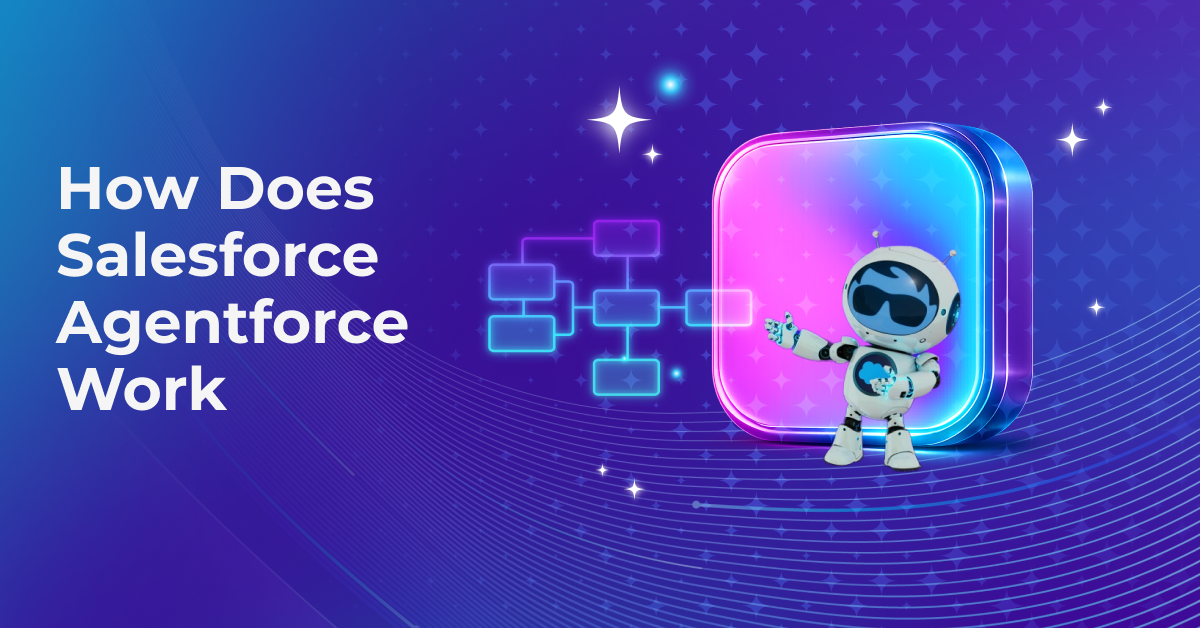
How Does Salesforce Agentforce Work
Agentforce vs Einstein: Choosing the Right AI to Move from Insight to Action
Agentforce Developer Guide
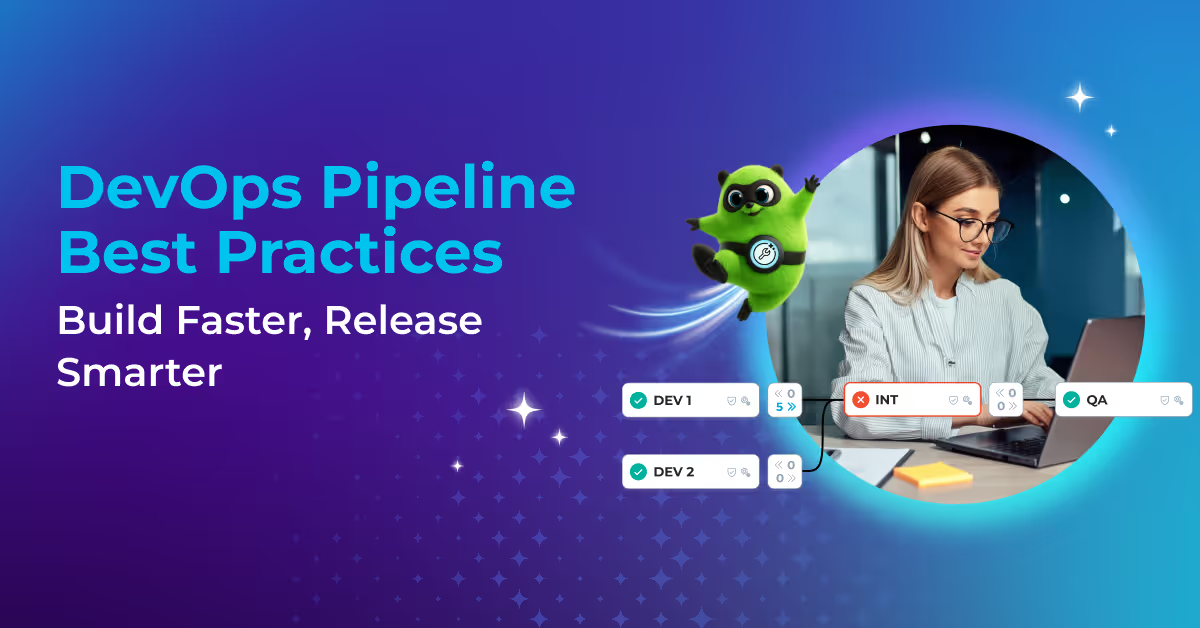
DevOps Pipeline Best Practices
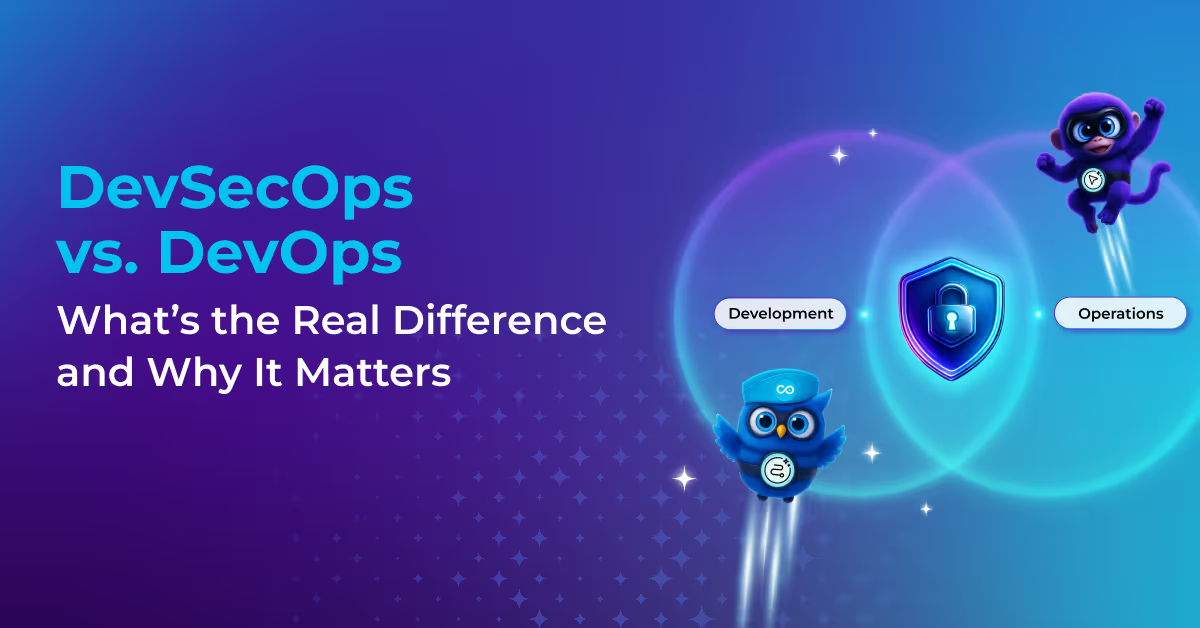
DevSecOps vs. DevOps
DevOps vs. Agile
Generative AI in DevOps
How DevOps Teams Use AI to Win
Using AI in DevOps
Salesforce開発?运用の未来?AIと共にSIビジネスモデルを「工数」から「価値」へ変革
顿别惫翱辫蝉におけるエージェンティック础滨:チームのための自动化ソリューション
乐播传媒app最新版本 Awarded on CarahSoft’s GSA Schedule, Expanding Access for Federal Agencies
颁辞辫补诲辞、贵别诲搁础惭笔认証を更新し、米国军事组织向け滨尝5取得に向けて前进
成功を“設計”するという発想──乐播传媒app最新版本が提唱する「Project Success Design」
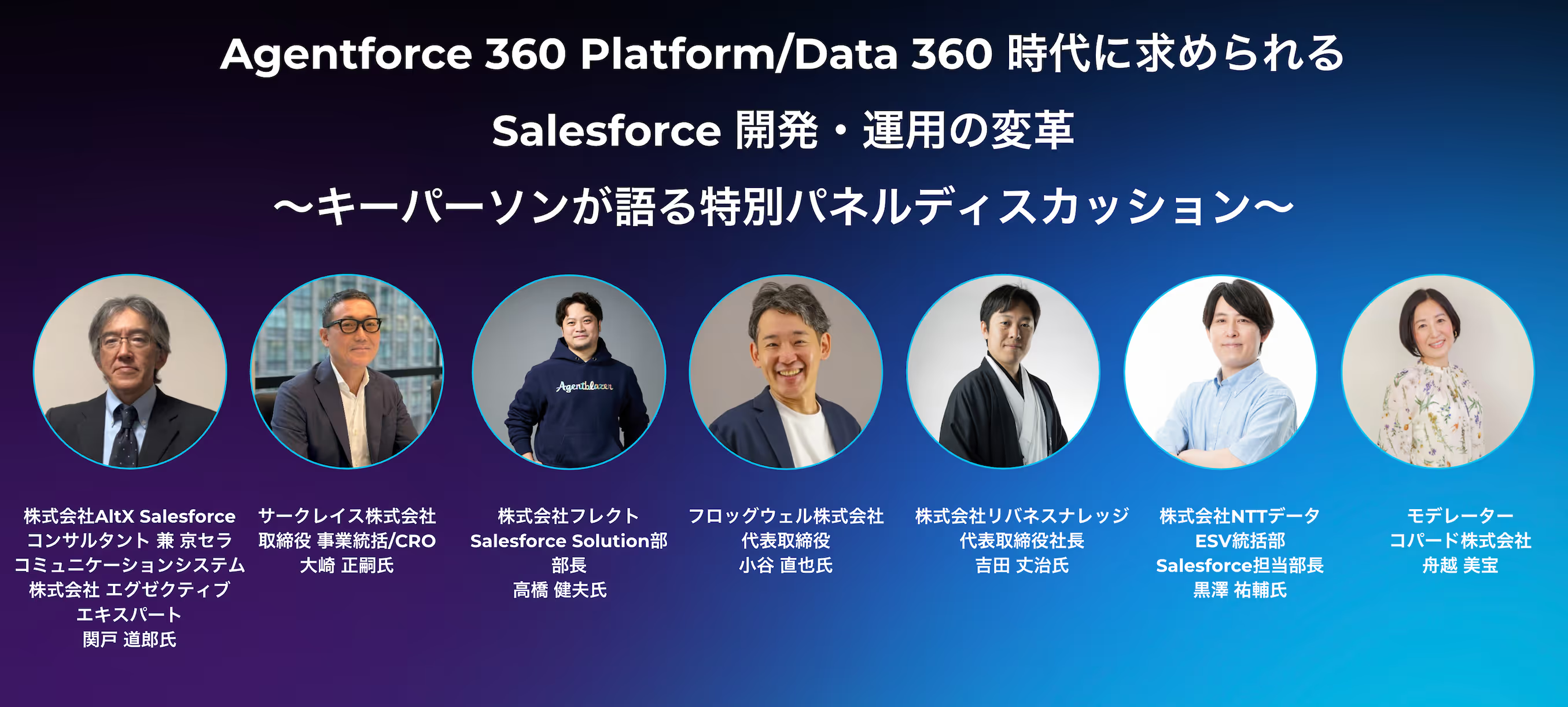
コパード、础滨と协働する未来に向けてパートナー6社と顿谤别补尘蹿辞谤肠别でパネルディスカッション初开催!
乐播传媒app最新版本、Salesforce 2025 Partner Innovation Awardを受賞
乐播传媒app最新版本 CI/CD & Robotic Testing Now TX-RAMP Certified for Texas Government
なぜテストが形骸化するのか? - Salesforce開発現場で「テストはやっている」のに、本番障害が減らない理由
Org Intelligence:なぜ「コンテキスト」がSalesforce DevOpsツールにおいてこれほど重要なのか?
「人ではなくAIに聞ける時代へ ― Salesforce環境を理解する乐播传媒app最新版本 AI Org Intelligence」
厂补濒别蝉蹿辞谤肠别プロジェクトの“隠れコスト”とは??顿别惫翱辫蝉活用で毎月100时间を削减した実践例?
コパード、セールスフォースの环境をエンドツーエンドで可视化する「组织インテリジェンス」をリリース
パイプラインの可視性が Salesforce DevOps 変革成功の鍵である理由
AIが変える意思決定 - スピードと精度は両立できるのか?
属人运用の限界が経営を止める?今こそ始めるSalesforce DevOps?
厂补濒别蝉蹿辞谤肠别におけるユーザー受入テストの进め方:课题、ベストプラクティス、および戦略
Navigating Salesforce Data Cloud: DevOps Challenges and 乐播传媒app最新版本 for Salesforce Developers
独自にSalesforce DevOpsソリューションを構築する際の見えざるコスト
CPQ and Revenue Cloud Deployment: A DevOps Approach
Salesforce DevOpsを支えるAI活用型リリース戦略
コパード、サンブリッジパートナーズとの提携により日本での事业を拡大
础滨で顿别惫翱辫蝉をより简単に、より高速に
Reimagining Salesforce Development with 乐播传媒app最新版本's AI-Powered Platform
ビジネスアプリケーション向けの顿别惫翱辫蝉(デブオプス)って何?
セールスフォースエコシステムにおける顿别惫翱辫蝉の卓越性
セールスフォーステストにおける础滨活用のベストプラクティス
6 testing metrics that’ll speed up your Salesforce release velocity (and how to track them)
第4章: 手動テストの概要
セールスフォース向け础滨动作テスト
Chapter 3: Testing Fun-damentals
Salesforce Deployment: Avoid Common Pitfalls with AI-Powered Release Management
Exploring DevOps for Different Types of Salesforce Clouds
What’s Special About Testing Salesforce? - Chapter 2
Why Test Salesforce? - Chapter 1
Continuous Integration for Salesforce Development
Comparing Top AI Testing Tools for Salesforce
Avoid Deployment Conflicts with 乐播传媒app最新版本’s Selective Commit Feature: A New Way to Handle Overlapping Changes
From Learner to Leader: Journey to 乐播传媒app最新版本 Champion of the Year
The Future of Salesforce DevOps: Leveraging AI for Efficient Conflict Management
How To Sync Salesforce Environments | 乐播传媒app最新版本
乐播传媒app最新版本 and Wipro Team Up to Transform Salesforce DevOps
DevOps Needs for Operations in China: Salesforce on Alibaba Cloud
What is Salesforce Deployment Automation? How to Use Salesforce Automation Tools
From Chaos to Clarity: Managing Salesforce Environment Merges and Consolidations
Future Trends in Salesforce DevOps: What Architects Need to Know
Enhancing Customer Service with 乐播传媒app最新版本GPT Technology
What is Efficient Low Code Deployment?
乐播传媒app最新版本 Launches Test Copilot to Deliver AI-powered Rapid Test Creation
Cloud-Native Testing Automation: A Comprehensive Guide
Building a Scalable Governance Framework for Sustainable Value
乐播传媒app最新版本 Launches 乐播传媒app最新版本 Explorer to Simplify and Streamline Testing on Salesforce
Exploring Top Cloud Automation Testing Tools
Master Salesforce DevOps with 乐播传媒app最新版本 Robotic Testing
Exploratory Testing vs. Automated Testing: Finding the Right Balance
A Guide to Salesforce Source Control | 乐播传媒app最新版本
A Guide to DevOps Branching Strategies
Family Time vs. Mobile App Release Days: Can Test Automation Help Us Have Both?
How to Resolve Salesforce Merge Conflicts | 乐播传媒app最新版本
乐播传媒app最新版本 Expands Beta Access to 乐播传媒app最新版本GPT for All Customers, Revolutionizing SaaS DevOps with AI
Is Mobile Test Automation Unnecessarily Hard? A Guide to Simplify Mobile Test Automation
From Silos to Streamlined Development: Tarun’s Tale of DevOps Success
Simplified Scaling: 10 Ways to Grow Your Salesforce Development Practice
What is Salesforce Incident Management?
What Is Automated Salesforce Testing? Choosing the Right Automation Tool for Salesforce
乐播传媒app最新版本 Appoints Seasoned Sales Executive Bob Grewal to Chief Revenue Officer
Business Benefits of DevOps: A Guide
乐播传媒app最新版本 Brings Generative AI to Its DevOps Platform to Improve Software Development for Enterprise SaaS
乐播传媒app最新版本 Celebrates 10 Years of DevOps for Enterprise SaaS 乐播传媒app最新版本
Celebrating 10 Years of 乐播传媒app最新版本: A Decade of DevOps Evolution and Growth
5 Reasons Why 乐播传媒app最新版本 = Less Divorces for Developers
What is DevOps? Build a Successful DevOps Ecosystem with 乐播传媒app最新版本’s Best Practices
Scaling App Development While Meeting Security Standards
5 Data Deploy Features You Don’t Want to Miss
How to Elevate Customer Experiences with Automated Testing
Top 5 Reasons I Choose 乐播传媒app最新版本 for Salesforce Development
Getting Started With Value Stream Maps
乐播传媒app最新版本 and nCino Partner to Provide Proven DevOps Tools for Financial Institutions
Go back to resources
There is no previous posts
Go back to resources
There is no next posts

Explore more about

アジャイルプランニング
Articles
June 17, 2026
【AWTT Summer 2026 振り返り】AIエージェント時代に、私たちが本当に備える開発?运用の新標準とは?
Articles
May 8, 2026
Salesforce Source Format vs Metadata Format
Articles
May 7, 2026
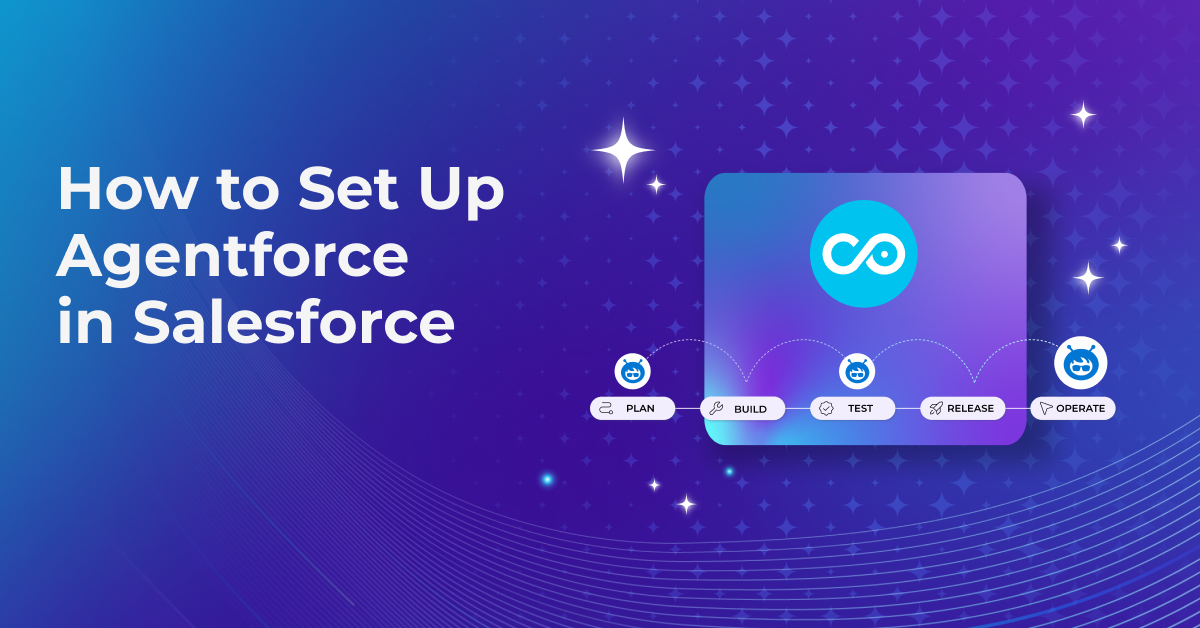
Get Started with Agentforce in Salesforce
Articles
May 5, 2026
Data 360 Is the Operational Backbone of Agentforce — But Most Enterprises Are Not Ready to Deploy It Safely

础滨を有効活用し顿别惫翱辫蝉を加速

より速くリリースし、リスクを排除し、仕事を楽しんでください。
Try 乐播传媒app最新版本 Devops.

リソース

Explore our DevOps resource library. Level up your Salesforce DevOps skills today.

今后のイベントと
オンラインセミナー

电子书籍とホワイトペーパー

サポートとドキュメンテーション

デモライブラリ