乐播传媒app最新版本

Articles
1/25/2022
10 minutes

Cloud Security Best Practices For Total Systems Hardening

Table of contents

You may be familiar with the term 鈥渘etwork hardening,鈥 which refers to the practice of fortifying your security perimeters to prevent network breaches. When you migrate your systems, databases, applications, and other resources to the cloud, however, you need to think beyond enterprise network hardening. Instead, you need total systems hardening, which includes protecting your cloud-based applications, containers, servers, and databases in addition to the network traffic flowing to and from those resources. In this blog, we鈥檒l cover 6 cloud security best practices to help you achieve total systems hardening of your cloud infrastructure.

6 Cloud Security Best Practices for Total Systems Hardening

These cloud security best practices provide the general guidelines your enterprise should follow to further your security goals.

  1. Implement Identity and Access Management (IAM)

Identity and Access Management (IAM) systems control which users, devices, and service accounts can access your cloud resources. A cloud-optimized IAM solution will allow you to extend your enterprise permissions and access control policies to your cloud systems, applications, and data. For example, with a cloud IAM solution, you can apply role-based access control (RBAC) and the principle of least privilege (PoLP) to limit the scope of an account鈥檚 permissions. You can create individual accounts for each cloud workload, and then limit an account鈥檚 permissions to the specific cloud resources it needs to perform those tasks. This minimizes your attack surface by limiting the lateral movement any one account has on your network. You can also use IAM to apply cloud security best practices for authentication such as multi-factor authentication (MFA) and single sign-on (SSO).

  1. Encrypt Everything

Encrypting data both in transit and at rest is not just a best practice for cloud security, but a best practice for data security in general. Encryption uses advanced algorithms to encode data, which makes it unusable to anyone who doesn鈥檛 have the key. You need to encrypt data while it鈥檚 in transit 鈥 for example, while you鈥檙e migrating it from your data center to the cloud, or while it鈥檚 moving from your cloud databases to your cloud-native applications 鈥 so anyone who illicitly intercepts the data will be unable to read it. You also need to encrypt your data while it鈥檚 stored on your cloud platforms. Encrypting cloud data is relatively easy thanks to the prevalence of cloud encryption software. You can also use a cloud-integrated secrets management solution to store and manage your encryption and decryption keys.

  1. Layer Your Security Controls

When you enter into a service contract with a cloud provider, you agree to the 鈥渟hared responsibility model.鈥 That means your vendor is responsible for some aspects of security, such as protecting the underlying network and infrastructure their platform runs on. You鈥檙e responsible for protecting the actual data, applications, and services, which requires cloud- or service-based security appliances like firewalls and web gateways.

One important cloud security best practice is to layer your security protocols and controls to harden your cloud systems. For example, you could start with a cloud-based firewall-as-a-service (FWaaS) solution that provides multiple levels of security with network traffic monitoring, IP blacklisting, intrusion detection, and other critical cloud network security functionality. Then you could add a cloud access security broker (CASB) to monitor traffic between your enterprise and your cloud applications, services, and data, detect unusual behavior, and enforce security policies.

  1. Microsegment Your Cloud Resources

Microsegmentation is a network security term for separating individual workloads, interdependent services, or other related resources rather than keeping them all on the same network. Microsegmentation allows you to enforce granular access control policies, essentially segregating administrator and service accounts to individual microsegments. This further limits an account鈥檚 lateral movement on your cloud network, which means a hacker can be easily quarantined. You can also implement specific security protections or features that are tailored to the vulnerabilities of each microsegment (or the value of the data contained within). Since your cloud systems, databases, and applications are already running on virtual infrastructure, it is often easier to achieve microsegmentation through the cloud than with on-premises resources. For example, many FWaaS platforms offer microsegmentation capabilities.

  1. Enable Verbose Logging for Cloud Monitoring

Obviously, you first need to implement some form of cloud monitoring solution. Your cloud services may come with some form of platform-specific monitoring, but for cloud security best practices, you should use a vendor-neutral solution. This will allow you to monitor your entire cloud infrastructure from one centralized location. Then, you should enable verbose logging so your monitoring tools can collect as much usable data as possible, giving you a holistic overview of your entire cloud infrastructure.

  1. Remediate Bad Habits

Finally, all your cloud security technologies and methodologies won鈥檛 save you from bad security hygiene. That refers to the bad and neglectful habits that engineers and administrators sometimes fall into through overwork, poor training, or simple laziness. For total cloud systems hardening, you need to analyze your current practices and provide the training and solutions to mitigate bad behavior. For example, engineers frequently forget to decommission old servers or admin accounts, which increases your attack surface. To mitigate this problem, you could provide engineers with centralized infrastructure monitoring and management software. Then they can easily spin up new resources and decommission old ones without needing to RDP-jump from server to server. It鈥檚 important to understand the root cause of bad habits so you can present workable solutions to improve your security hygiene.

Fortify Your Cloud Infrastructure

These six best practices contribute to a holistic cloud security strategy that protects your infrastructure from multiple levels. However, to achieve true systems hardening, you need to thoroughly analyze your current security status to identify your capabilities, strengths, and vulnerabilities. If no one on your team is qualified to conduct this kind of assessment, you can consult with third-party organizations specialized in security analysis, vulnerability, and penetration testing. Then you can implement the exact cloud security technologies, policies, and best practices needed to fortify your cloud infrastructure.

Book a demo

About The Author

#1 DevOps Platform for Salesforce

We build unstoppable teams by equipping DevOps professionals with the platform, tools and training they need to make release days obsolete. Work smarter, not longer.

Data 360 Is the Operational Backbone of Agentforce 鈥 But Most Enterprises Are Not Ready to Deploy It Safely
Accelerating the Agentic Era in Brazil: 乐播传媒app最新版本 and Capgemini Deepen Strategic Partnership
Salesforce Source Format vs Metadata Format
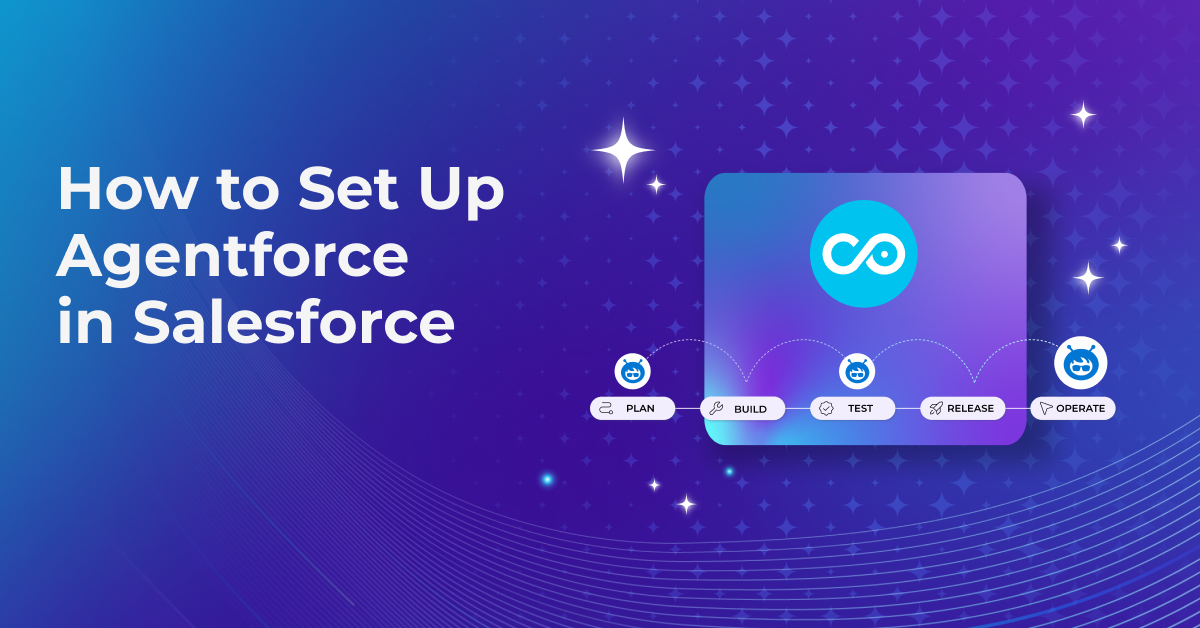
Get Started with Agentforce in Salesforce
What Is Agentforce Salesforce?
Will AI Replace DevOps Jobs?
How to Use AI in DevOps
Agentic AI DevOps Explained
乐播传媒app最新版本 Introduces 础驳别苍迟颈补鈩, Bringing Context-Aware AI Agents to Salesforce DevOps
How Does Salesforce Agentforce Work
Agentforce vs Einstein: Choosing the Right AI to Move from Insight to Action
Agentforce Developer Guide
DevOps Pipeline Best Practices
DevSecOps vs. DevOps
DevOps vs. Agile
Generative AI in DevOps
How DevOps Teams Use AI to Win
Using AI in DevOps
Agentic AI in DevOps: Automation 乐播传媒app最新版本 for Teams
乐播传媒app最新版本 Awarded on CarahSoft鈥檚 GSA Schedule, Expanding Access for Federal Agencies
Salesforce Agentforce AI Capabilities and 乐播传媒app最新版本
Salesforce AI Agent Software Features for DevOps Teams
乐播传媒app最新版本 Renews FedRAMP Authorization and Advances Toward IL5 to Support U.S. Military Organizations
乐播传媒app最新版本 Appoints Rajit Joseph as Chief Product Officer to Accelerate AI-Driven Customer Success and Product Innovation
乐播传媒app最新版本 Recognized in Salesforce 2025 Partner Innovation Awards
乐播传媒app最新版本 Appoints Gaurav Kheterpal as Chief Evangelist to Accelerate Global DevOps Community Growth
乐播传媒app最新版本 CI/CD & Robotic Testing Now TX-RAMP Certified for Texas Government
Org Intelligence: Why Context Matters So Much in Salesforce DevOps Tools
Hubbl Technologies and 乐播传媒app最新版本 Forge Strategic Alliance to Power AI-Driven DevOps with Deep SaaS Context
From Chaos to Control: Why Public Sector Teams Are Moving Beyond Manual Pipelines
乐播传媒app最新版本 Hosts India's Flagship DevOps Conference in Response to Overwhelming Demand
What Does 鈥淥rg Intelligence鈥 Really Mean for Salesforce Teams?
乐播传媒app最新版本 Launches Org Intelligence to Provide End-to-End Visibility into Salesforce Environments
Why Pipeline Visibility Is Key to Successful Salesforce DevOps Transformation
乐播传媒app最新版本 Robotic Testing Now in AWS Marketplace, AI-Powered Salesforce Test Automation at Scale
Navigating User Acceptance Testing on Salesforce: Challenges, Best Practices and Strategy
Navigating Salesforce Data Cloud: DevOps Challenges and 乐播传媒app最新版本 for Salesforce Developers
Chapter 8: Salesforce Testing Strategy
Beyond the Agentforce Testing Center
How to Deploy Agentforce: A Step-by-Step Guide
How AI Agents Are Transforming Salesforce Revenue Cloud
The Hidden Costs of Building Your Own Salesforce DevOps Solution
Chapter 7 - Talk (Test) Data to Me
乐播传媒app最新版本 Announces DevOps Automation Agent on Salesforce AgentExchange
CPQ and Revenue Cloud Deployment: A DevOps Approach
乐播传媒app最新版本 Launches AI-Powered DevOps Agents on Slack Marketplace
Redefining the Future of DevOps: Salesforce鈥檚 Pioneering Ideas and Innovations
乐播传媒app最新版本 Announces DevOps Support for Salesforce Data Cloud, Accelerating AI-Powered Agent Development
AI-Powered Releasing for Salesforce DevOps
Top 3 Pain Points in DevOps 鈥 And How 乐播传媒app最新版本 AI Platform Solves Them
乐播传媒app最新版本 AI Platform: A New Era of Salesforce DevOps
乐播传媒app最新版本 Expands Its Operations in Japan with SunBridge Partners
Chapter 6: Test Case Design
Article: Making DevOps Easier and Faster with AI
Chapter 5: Automated Testing
Reimagining Salesforce Development with 乐播传媒app最新版本's AI-Powered Platform
Planning User Acceptance Testing (UAT): Tips and Tricks for a Smooth and Enjoyable UAT
What is DevOps for Business Applications
Testing End-to-End Salesforce Flows: Web and Mobile Applications
乐播传媒app最新版本 Integrates Powerful AI 乐播传媒app最新版本 into Its Community as It Surpasses the 100,000 Member Milestone
How to get non-technical users onboard with Salesforce UAT testing
DevOps Excellence within Salesforce Ecosystem
Best Practices for AI in Salesforce Testing
6 testing metrics that鈥檒l speed up your Salesforce release velocity (and how to track them)
Chapter 4: Manual Testing Overview
AI Driven Testing for Salesforce
Chapter 3: Testing Fun-damentals
AI-powered Planning for Salesforce Development
Salesforce Deployment: Avoid Common Pitfalls with AI-Powered Release Management
Exploring DevOps for Different Types of Salesforce Clouds
乐播传媒app最新版本 Launches Suite of AI Agents to Transform Business Application Delivery
What鈥檚 Special About Testing Salesforce? - Chapter 2
Why Test Salesforce? - Chapter 1
Continuous Integration for Salesforce Development
Comparing Top AI Testing Tools for Salesforce
Avoid Deployment Conflicts with 乐播传媒app最新版本鈥檚 Selective Commit Feature: A New Way to Handle Overlapping Changes
From Learner to Leader: Journey to 乐播传媒app最新版本 Champion of the Year
The Future of Salesforce DevOps: Leveraging AI for Efficient Conflict Management
A Guide to Using AI for Salesforce Development Issues
How To Sync Salesforce Environments | 乐播传媒app最新版本
乐播传媒app最新版本 and Wipro Team Up to Transform Salesforce DevOps
DevOps Needs for Operations in China: Salesforce on Alibaba Cloud
What is Salesforce Deployment Automation? How to Use Salesforce Automation Tools
Maximizing 乐播传媒app最新版本's Cooperation with Essential Salesforce Instruments
From Chaos to Clarity: Managing Salesforce Environment Merges and Consolidations
Future Trends in Salesforce DevOps: What Architects Need to Know
Enhancing Customer Service with 乐播传媒app最新版本GPT Technology
What is Efficient Low Code Deployment?
乐播传媒app最新版本 Launches Test Copilot to Deliver AI-powered Rapid Test Creation
Cloud-Native Testing Automation: A Comprehensive Guide
A Guide to Effective Change Management in Salesforce for DevOps Teams
Building a Scalable Governance Framework for Sustainable Value
乐播传媒app最新版本 Launches 乐播传媒app最新版本 Explorer to Simplify and Streamline Testing on Salesforce
Exploring Top Cloud Automation Testing Tools
Master Salesforce DevOps with 乐播传媒app最新版本 Robotic Testing
Exploratory Testing vs. Automated Testing: Finding the Right Balance
A Guide to Salesforce Source Control | 乐播传媒app最新版本
A Guide to DevOps Branching Strategies
Family Time vs. Mobile App Release Days: Can Test Automation Help Us Have Both?
How to Resolve Salesforce Merge Conflicts | 乐播传媒app最新版本
Go back to resources
There is no previous posts
Go back to resources
There is no next posts

Explore more about

No items found.
Articles
June 5, 2026
Data 360 Is the Operational Backbone of Agentforce 鈥 But Most Enterprises Are Not Ready to Deploy It Safely
Articles
May 12, 2026
Accelerating the Agentic Era in Brazil: 乐播传媒app最新版本 and Capgemini Deepen Strategic Partnership
Articles
May 8, 2026
Salesforce Source Format vs Metadata Format
Articles
May 7, 2026
Get Started with Agentforce in Salesforce

Activate AI 鈥 Accelerate DevOps

Release Faster, Eliminate Risk, and Enjoy Your Work.
Try 乐播传媒app最新版本 Devops.

Resources

Explore our DevOps resource library. Level up your Salesforce DevOps skills today.

Upcoming Events & Webinars

E-Books and Whitepapers

Support and Documentation

Demo Library